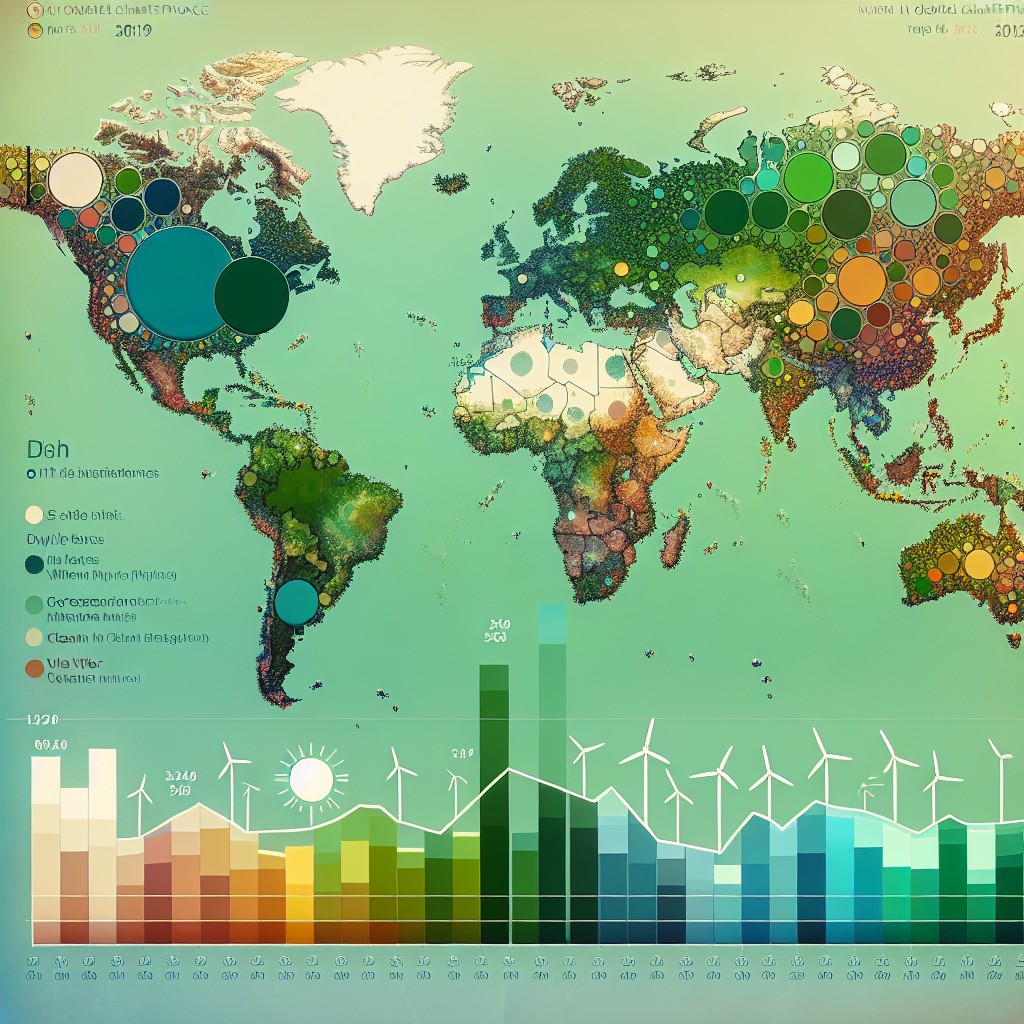
Climate finance has become a critical element in the global response to climate change, directing the flow of funds towards projects and initiatives that aim to reduce carbon emissions and adapt to changing environmental conditions. Understanding where the money is moving now sheds light on the priorities and challenges faced by governments, businesses, and communities worldwide.
What is climate finance and why does it matter?
At its core, climate finance refers to the local, national, or international financing—drawn from public, private, and alternative sources—that supports mitigation and adaptation actions addressing climate change. The urgent need to limit global warming to well below 2 degrees Celsius, as outlined in the Paris Agreement, is driving unprecedented investment in clean energy, sustainable infrastructure, and resilience-building initiatives. Effective climate finance ensures that developing countries have the resources to transition to low-carbon economies while building resilience against climate impacts.
Current trends in climate finance investments
In recent years, climate finance has increasingly shifted towards renewable energy projects, energy efficiency improvements, and climate-resilient infrastructure. Green bonds have emerged as a popular financing mechanism, enabling investors to fund environmentally beneficial projects. Moreover, nature-based solutions, such as reforestation and wetland restoration, are gaining momentum as effective ways to sequester carbon and protect biodiversity. International financial institutions and private sector actors alike are channeling capital into these areas, recognizing both the environmental necessity and economic opportunities involved.
The role of international organizations and agreements
International cooperation is fundamental to mobilizing climate finance. The United Nations Framework Convention on Climate Change (UNFCCC) provides a platform for negotiations and commitments, including financial pledges from developed to developing nations. The Green Climate Fund (GCF), established under the UNFCCC, plays a central role by allocating billions of dollars annually to projects that foster climate resilience and low-emission development. Additionally, institutions like the World Bank and the International Monetary Fund serve as key facilitators, combining resources and expertise to scale up investments.
Private sector engagement and innovation
The private sector is increasingly recognized as a vital source of climate finance. Corporations, banks, and investment funds are integrating environmental, social, and governance (ESG) criteria into their decision-making processes, driving capital towards sustainable ventures. Innovative financial instruments, such as green loans, sustainability-linked bonds, and climate risk insurance, offer flexible approaches for financing. Technology startups and clean energy companies are attracting venture capital and private equity, accelerating the development and deployment of climate solutions on a commercial scale.
Challenges and the road ahead for climate finance
Despite growth in climate finance flows, significant challenges remain. There is a notable gap between pledged funding and actual disbursements, with developing countries frequently facing barriers related to capacity and regulatory environments. Ensuring transparency, accountability, and efficient use of funds is critical to maintain confidence and improve outcomes. As climate risks intensify globally, aligning financial systems with climate goals will require strengthened policies, enhanced collaboration, and innovative financing mechanisms to meet increasing demand.
Conclusion
Climate finance continues to evolve rapidly, reflecting the urgency and complexity of addressing climate change worldwide. The movement of funds increasingly favors projects that offer sustainable, scalable solutions for emission reduction and adaptation. While challenges persist in mobilizing and deploying adequate resources efficiently, the growing involvement of public institutions, private investors, and international organizations suggests a positive trajectory. Monitoring these trends is essential as they will shape the success of global efforts to combat climate change in the years ahead.
Frequently Asked Questions about climate finance
What types of projects does climate finance typically support?
Climate finance usually supports projects aimed at reducing greenhouse gas emissions, such as renewable energy, energy efficiency, and clean transportation, as well as adaptation projects like flood defenses and climate-resilient agriculture.
How do international institutions influence climate finance?
International institutions, including the Green Climate Fund and the World Bank, allocate and mobilize resources to facilitate climate finance, especially to developing countries, ensuring investments align with global climate agreements and priorities.
Why is private sector involvement important in climate finance?
The private sector contributes significant capital and innovation to climate finance, helping to scale up solutions and integrate sustainability into mainstream financial markets beyond what public funds alone can achieve.
What are the main challenges in climate finance today?
Challenges include bridging the funding gap between commitments and actual investments, improving transparency and governance, and overcoming barriers faced by developing countries in accessing finance.
How can individuals learn more about climate finance?
Individuals can explore resources from authoritative organizations such as the United Nations Framework Convention on Climate Change (climate finance section) and financial institutions that publish reports and updates on climate finance activities.