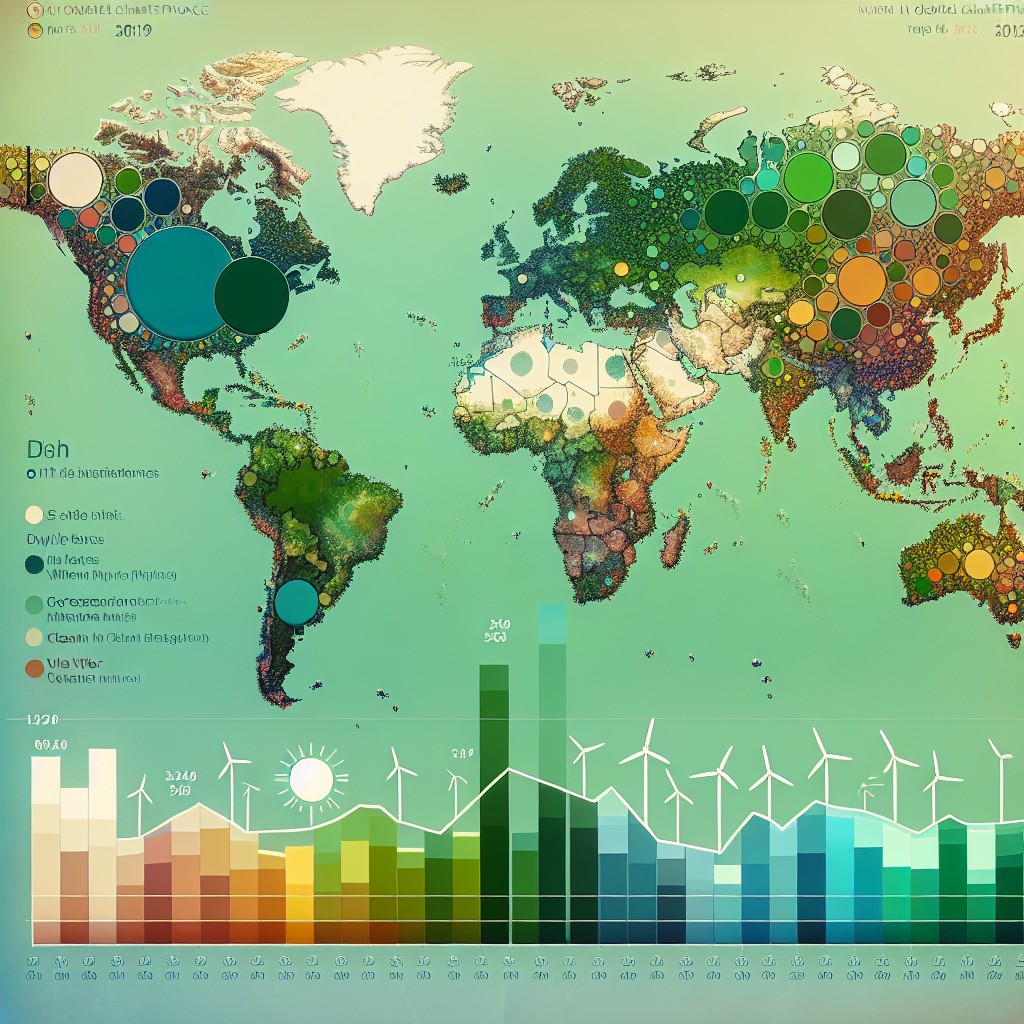
As global temperatures continue to rise, climate scientists are raising alarms about unpredictable weather patterns expected to emerge by 2026. A recent Climate Analysis indicates that many regions could be significantly impacted, leading to severe repercussions for agriculture, public health, and infrastructure.
Major Climate Trends Anticipated
According to the latest reports, a combination of long-term climate change and more immediate impacts of phenomena such as El Niño are expected to drive extreme weather events. Regions traditionally spared from severe weather may face unprecedented temperatures, torrential rainfall, or drought conditions. Cities that have not historically prepared for such extremes may find themselves particularly vulnerable, necessitating urgent adaptations to local policy and preparedness plans.
The Influence of Ocean Currents
Oceanic temperatures are a crucial factor in weather patterns, and anomalies such as warmer water in the Pacific Ocean can trigger global effects. The Climate Analysis underscores that these temperature changes can contribute to changes in weather systems worldwide, influencing storm formation and rainfall distribution. Experts predict that the unique interactions between ocean currents and atmospheric conditions will intensify, causing regions that typically enjoy milder conditions to brace for severe storms or heavy downpours.
Impact on Global Agriculture
The implications of this evolving climate landscape extend to agriculture, as changing weather patterns can disrupt growing seasons and threaten food security. According to agricultural experts, the shifts predicted in the next few years may result in decreased yields for staple crops in various regions. Future Climate Analysis reports will be pivotal for farmers and policymakers to adapt and develop strategies to cope with these shifts, aiming to mitigate impacts on food supply chains and local economies.
Conclusion
As experts analyze these emerging weather patterns, the importance of proactive measures cannot be overstated. Current trajectories suggest that 2026 could reveal an alarming landscape of climate-related challenges. By embracing innovative technologies and sustainable practices, societies can work towards minimizing the impending risks outlined in the Climate Analysis. Each region’s specific vulnerabilities will require tailored strategies that take into account the local climate history and potential future changes.
Frequently Asked Questions about Climate Analysis
What does the Climate Analysis say about upcoming weather patterns?
The Climate Analysis indicates that increasing temperatures and changing ocean currents will lead to unpredictable and severe weather patterns across various regions.
How will weather patterns change by 2026 according to experts?
Experts predict that by 2026, many regions may experience extreme weather variations, including record heat, intense storms, and prolonged droughts as a result of climate change.
Why is Climate Analysis important for agriculture?
Climate Analysis is vital for agriculture as it helps farmers and policymakers understand and prepare for the potential impacts of climate change on crop yields and food security.
What factors are contributing to extreme weather predictions?
Conducting a Climate Analysis reveals that factors such as rising ocean temperatures and atmospheric changes caused by phenomena like El Niño contribute to the predictions of extreme weather.
How can societies adapt to the findings of Climate Analysis?
By utilizing the information gained from Climate Analysis, societies can develop targeted adaptation strategies to mitigate the impacts of expected climate conditions and enhance resilience.